Setup Profitable Pay-per-click | Advertising Campaigns
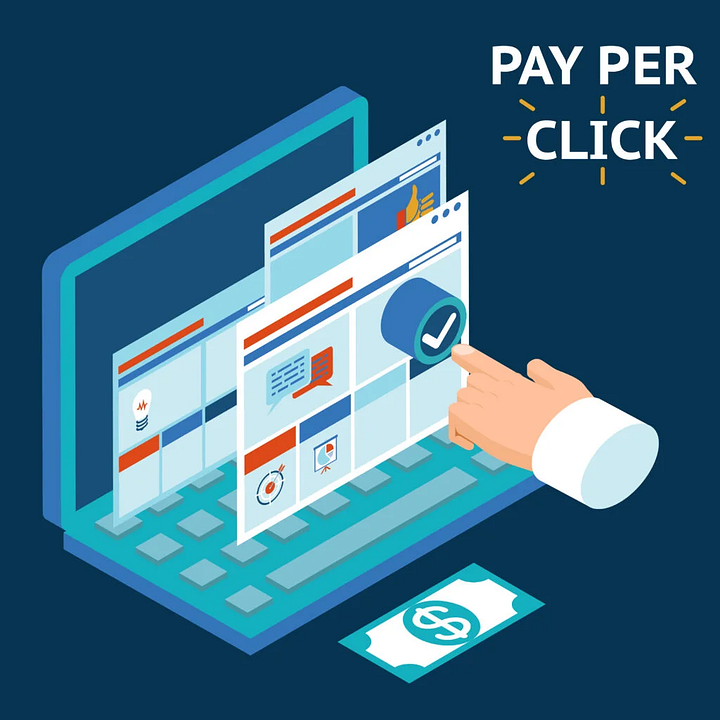
we will delve into the world of pay-per-click (PPC) advertising campaigns and investigate the strategies and best practices for establishing profitable campaigns. Specifically, we will focus on Google Ad Words.
Understanding pay-per-click (PPC) advertising can be extremely beneficial to your online presence, regardless of the size of your business or whether you intend to outsource your web design and digital marketing. Let’s take a look at the essential components of a productive pay-per-click (PPC) campaign, from the bidding on keywords to the tracking of conversions, and everything in between.
Choosing the Right Platform
Advertisements on Google and Bing When it comes to pay-per-click (PPC) advertising, the market is primarily controlled by two platforms: Google Ads and Bing Ads. Because it is the most popular platform, Google Ads provides users with extensive targeting options as well as a wide reach. Bing Ads, on the other hand, not only gives users access to a different audience but also has the potential to be more cost-effective. As a marketing agency, we strongly suggest making use of both platforms if you want your campaign to have the greatest possible reach and impact.
Management of Pay-Per-Click (PPC) Campaigns Done Right In order to successfully manage a pay-per-click (PPC) campaign, careful planning and ongoing optimization are required. The following are some of the most important considerations to make:
Careful planning
- Bidding on Keywords
- Ad Targeting
- Ad Copywriting
- Landing Page Optimization
Bidding on Keywords
Before you begin bidding on keywords, you should conduct extensive keyword research to determine which keywords are the most relevant to your industry and also perform the best. Determine your strategy for bidding on the basis of factors such as the competitiveness of the market, the volume of searches, and your budget.
Ad Targeting
Determine who you want to see your advertisements by analyzing their demographics, interests, and location. Utilize the various targeting options at your disposal to hone in on your target demographic and connect with the leads most likely to result in a sale.
Ad Copywriting
Create ads that are compelling and engaging while highlighting your unique selling propositions (USPs). Place an emphasis on the benefits, include an effective call to action, and check that the ad copy and the landing page are consistent with one another.
Landing Page Optimization
In order to optimize your landing pages, you should first create dedicated landing pages that are in line with your ad copy and offer a consistent and enjoyable user experience. If you want to maximize conversions, you should optimize your landing pages so that they load more quickly, have clear messaging, and have an intuitive design.
Leveraging Remarketing
Utilizing Remarketing in Order to Achieve Greater Conversions Remarketing is a powerful strategy that enables you to target users who have interacted with your website or advertisements in the past. It gives you the ability to do this. You can improve users’ ability to recall your brand and encourage them to return to your site by displaying ads that are specifically tailored to the users in question. Improving your overall conversion rates can be accomplished by running remarketing campaigns on online advertising platforms such as Google Ads and Bing Ads.
Comments
Post a Comment